The Cold War
Completed

Book Details

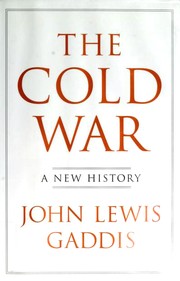
The Cold War

by John Lewis Gaddis

Fiction Traditional
0
0 reviews

Genres

No genres listed.

Sign in to suggest genres for this book.

Platform

Traditional
Source: Open Library

Tags

Official Tags
Unofficial Tags

No unofficial tags.

Sign in to request tag additions or removals for this book.

Language

English
Browse books in this language

Publisher

N/A
Hosting Publisher

Release Year

2005
First Released

Synopsis

Many will remember what it was like to live under the shadow of the Cold War, the ever-present anxiety that at some point, because of some miscalculation or act of hubris, we might find ourselves in the middle of a nuclear holocaust—a war that , if we survived it, would change our lives and our planet forever. How did this terrible conflict arise? How did wartime allies so quickly become deadly foes after 1945 and divide the world into opposing camps, each armed to the teeth? And how, suddenly, did it all come to an end? Only now that the Cold War has been over for fifteen years can we begin to find a convincing perspective on it. John Lewis Gaddis’s masterly book is the first full, major history of the whole conflict and explains not just what happened, but why it happened—why the Soviet Union brutally repressed rebellion in East Germany, Hungary, and Czechoslovakia; how Kennedy and Khrushchev confronted each other over the Cuban Missile Crisis; why Nixon and Mao Zedong sought wary friendship; what, at the end, John Paul II, Ronald Reagan, Margaret Thatcher, and Mikhail Gorbachev each thought they were doing. Gaddis has synthesised all the most recent scholarship, but has also used minutes from Politburo meetings, startling information from recently opened Soviet and Asian archives, conversations between leaders overheard and noted down by their aides, and above all, the words of the leading participants themselves—showing what was really on the mind of each, with a very dramatic immediacy. With the judgement of a master history, Gaddis shows what the underlying dynamics of the conflict were—how politics and ideology interact with each other, how changes in society were as important as changes in government, and how ideas of morality affected (or didn’t affect) what politicians actually did. Finally, in a work who’s interpretive authority equals its narrative power, he how’s how policy makers at the top—and ordinary people at the bottom—reversed the course of history thereby achieving one of the greatest victories ever for the human spirit. —jacket

Reading Progress

Sign in to track your current chapter and mark books as completed.

Links

No reading links have been added for this book yet.

People Also Recommend

No popular bookshelves include this book yet.

Community Reviews

Sort by:

Want to share your thoughts?

Join the community to rate and review your favorite stories.

No reviews yet. Be the first to share your thoughts!

Similar Books

Submit a Correction

Use this form for metadata problems, missing links, or anything that does not fit the dedicated genre and tag suggestion boxes. Admins will review it before changing the live page.

Please sign in to submit a correction request.