Kanthapura
Completed

Book Details

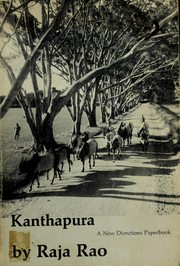
Kanthapura

by Raja Rao

Fiction Traditional
0
0 reviews

Genres

No genres listed.

Sign in to suggest genres for this book.

Platform

Traditional
Source: Open Library

Tags

Sign in to request tag additions or removals for this book.

Language

English
Browse books in this language

Publisher

N/A
Hosting Publisher

Release Year

1938
First Released

Synopsis

Raja Rao's first and best-known novel, Kanthapura (1938), is the story of a south Indian village named Kanthapura. The novel is narrated in the form of a purana by an old woman of the village, Achakka. Dominant castes like Brahmins are privileged to get the best region of the village, while lower casts such as Pariahs are marginalized. Despite this classist system, the village retains its long-cherished traditions of festivals in which all castes interact and the villagers are united. The village is believed to be protected by a local deity named Kenchamma. The main character of the novel, Moorthy, is a young Brahmin who leaves for the city to study, where he becomes familiar with Gandhian philosophy. He begins living a Gandhian lifestyle, wearing home-spun khaddar and discarded foreign clothes and speaking out against the caste system. This causes the village priest to turn against Moorthy and excommunicate him. Heartbroken to hear this, Moorthy's mother Narasamma dies. After this, Moorthy starts living with an educated widow, Rangamma, who is active in India’s independence movement. Moorthy is then invited by Brahmin clerks at the Skeffington coffee estate to create an awareness of Gandhian teachings among the pariah coolies. When Moorthy arrives, he is beaten by the policeman Bade Khan, but the coolies stand up for Moorthy and beat Bade Khan - an action for which they are then thrown out of the estate. Moorthy continues his fight against injustice and social inequality and becomes a staunch ally of Gandhi. Although he is depressed over the violence at the estate, he takes responsibility and goes on a three-day fast and emerges morally elated. A unit of the independence committee is then formed in Kanthapura, with the office bearers vowing to follow Gandhi’s teachings under Moorthy's leadership. The British government accuses Moorthy of provoking the townspeople to inflict violence and arrests him. Though the committee is willing to pay his bail, Moorthy refuses their money. While Moorthy spends the next three months in prison, the women of Kanthapura take charge, forming a volunteer corps under Rangamma's leadership. Rangamma instills a sense of patriotism among the women by telling them stories of notable women from Indian history. They face police brutality, including assault and rape, when the village is attacked and burned. Upon Moorthy's release from prison, he is greeted by the loyal townspeople, who are now united regardless of caste. The novel ends with Moorthy and the town looking to the future and planning to continue their fight for independence.

Reading Progress

Sign in to track your current chapter and mark books as completed.

Links

No reading links have been added for this book yet.

People Also Recommend

No popular bookshelves include this book yet.

Community Reviews

Sort by:

Want to share your thoughts?

Join the community to rate and review your favorite stories.

No reviews yet. Be the first to share your thoughts!

Similar Books

Submit a Correction

Use this form for metadata problems, missing links, or anything that does not fit the dedicated genre and tag suggestion boxes. Admins will review it before changing the live page.

Please sign in to submit a correction request.