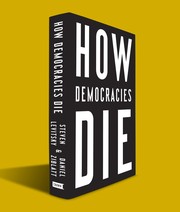
Mutual tolerance and institutional forbearance are two unwritten democratic norms crucial for a healthy and stable democracy. Coined by Harvard political scientists Steven Levitsky and Daniel Ziblatt in their 2018 book How Democracies Die, they are considered essential "soft guardrails" that reinforce a country's constitutional rules.
Mutual tolerance
Mutual tolerance is the shared understanding that political rivals are legitimate and loyal citizens with an equal right to exist, compete for power, and govern. It is the willingness of politicians and the public to accept that opponents are not enemies, but legitimate participants in the democratic process.
When mutual tolerance erodes, it can create a cycle of distrust where politicians may demonize their opponents and treat political defeat as an existential catastrophe.
Examples:
A sign of mutual tolerance: A candidate who loses an election publicly concedes and congratulates the winner, even if the results are disappointing.
An erosion of mutual tolerance: In the U.S., increasing partisan polarization has led many to perceive the opposing party as an existential threat rather than a legitimate rival.
Institutional forbearance
Institutional forbearance is the practice of self-restraint in exercising one's legal power. It is the act of not using every legal right to its absolute maximum, in order to preserve the spirit of democratic norms.
When politicians practice institutional forbearance, they refrain from engaging in "constitutional hardball," which is the use of legal but norm-violating maneuvers to gain an advantage. Without forbearance, a democracy can descend into severe dysfunction and crisis.
Examples:
A sign of institutional forbearance: Throughout much of the 20th century, the U.S. Senate generally confirmed a president's qualified judicial nominees in a timely manner, even if they were from the opposing party.
An erosion of institutional forbearance:
Court packing: While technically legal, a president with a congressional majority expanding the size of the Supreme Court to fill it with political allies would violate the spirit of an independent judiciary.
Filibustering: The overuse of the filibuster to obstruct legislation, or a party threatening to shut down the government over policy disputes, breaks the informal norms of institutional restraint.
Blocking appointments: The Senate's refusal to even consider President Obama's nomination of Merrick Garland to the Supreme Court in 2016 was a break from a long-standing norm.
How they work together
Levitsky and Ziblatt argue that these two norms work in tandem to protect democracy. When mutual tolerance erodes and politicians start to see their rivals as threats, they are more likely to abandon institutional forbearance and use their power without restraint. This can lead to an escalating cycle of constitutional hardball and democratic backsliding
Reading Progress
Sign in to track your current chapter and mark books as completed.
Links
No reading links have been added for this book yet.
People Also Recommend
No popular bookshelves include this book yet.
Community Reviews
Sort by:
Want to share your thoughts?
Join the community to rate and review your favorite stories.
No reviews yet. Be the first to share your thoughts!
Use this form for metadata problems, missing links, or anything that does not fit the dedicated genre and tag suggestion boxes. Admins will review it before changing the live page.